
Most hosts think about amenities the same way they think about a grocery list. Check the boxes. Cover the basics. Hope it’s enough.
Towels. Coffee maker. WiFi password on the fridge. Maybe a welcome basket if you’re feeling generous.
And then they wonder why their reviews are good — but not remarkable. Why guests check out satisfied but don’t come back. Why they’re blending into a sea of listings that all look and sound the same.
Here’s what’s missing: intention. Not more stuff — the right stuff, for the right person.
This is where your Perfect Guest Avatar stops being a marketing exercise and starts being a business strategy. Because the best vacation rental amenities aren’t the ones that cost the most. They’re the ones that make your guest feel like you built this place for them.
Why Generic Airbnb Amenities Don’t Get Reviews
There’s a version of every vacation rental that has everything and says nothing. The Keurig. The generic bath products. The stack of board games from 2012 that no one opens.
None of that is bad. It’s just forgettable.
Forgettable amenities don’t make it into reviews. They don’t show up in photos guests share. They don’t create the kind of loyalty that fills your calendar without discounting.
What does make it into reviews — what guests photograph and text to their friends and mention unprompted in their five-star review — are the amenities that feel personal. Specific. Chosen with someone in mind.
That only happens when you know exactly who you’re hosting and you build your amenity list for them.
The Indoor S’mores Maker: A $20 Amenity That Outperformed a Kitchen Renovation
I had a client whose perfect guest avatar was families with young kids — the nostalgic outdoor experience type. She had a beautiful cabin property and had invested in all the big upgrades. New kitchen, quality mattresses, the works.
But she was in an area where bad weather could roll in without warning. And she knew from her own experience as a mom that when the weather ruins the plan, the whole trip can feel like a loss — especially when you’ve got little ones who were counting on roasting marshmallows by the fire.
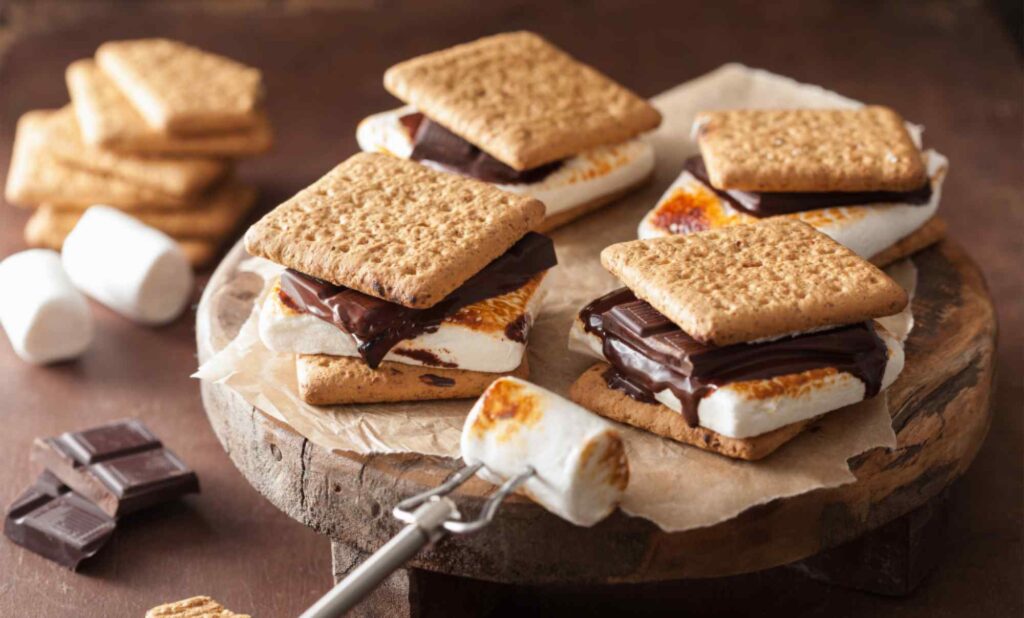
So she bought an indoor s’mores kit from Costco. Tabletop. Maybe $20. Adorable.
Every single review mentioned it.
Not the kitchen renovation. Not the new mattresses. The s’mores kit — because it told those families: I thought about your kids. I thought about the rainy day. I already handled it.
That’s what avatar-driven vacation rental amenities do. They don’t just add comfort. They communicate care in a way that generic amenities never can.
➤ Want to see indoor s’mores kits and other family-friendly favorites? Browse my curated My Favorite Amenities list on Amazon.
The Hiking Kits: When You Know Your Guest’s Next Move
Same client. Same cabin. She knew her guests were likely to tackle the trails behind the property — so she put together hiking kits. Water bottles, trail snacks, a laminated map with her personal recommendations, bug spray, sunscreen. All ready to grab on the way out the door.
She went all out for her perfect guest. And her perfect guest told everyone about it.
That’s the return on a $20 amenity decision made with intention: reviews that do your marketing for you.
➤ I’ve curated a full list of Beach & Outdoor Amenities on Amazon — perfect for properties near trails, lakes, or beaches.
The Toddler Room: Building a Brand Around Your Guest Avatar
Another client built her entire brand around families with toddlers — a guest most vacation rentals barely tolerate. She didn’t just accommodate them. She designed for them. And those families became her most loyal repeat guests.
She had a dedicated toddler room with a chalkboard wall. Bright, colorful swinging chairs in the living room where the whole family could hang out together. Baby gates, outlet covers, even a white noise machine and a nightlight already in the nursery.
Once she knew who she was hosting, every single decision had a clear answer. Not “should I add this?” but “would her guest love this?”
Her marketing practically wrote itself. Every Instagram post showed the experience a toddler mom actually wants — not just a pretty property shot, but proof that someone gets it.
The Dog-Friendly Pool: Why I Canceled a Booking Over One Amenity
Here’s another guest avatar most hosts underestimate: the dog owner. Not the “pets allowed, $50 fee” host. The one who actually welcomes dogs as part of the family.
I travel everywhere with my black lab, Jolene. And I can tell you from the guest side of the door — there is a massive difference between “dog-friendly” and “dogs okay.”
I once booked what was listed as a pet-friendly vacation rental. Beautiful property, had a pool, checked all my boxes. But nowhere in the listing did it mention whether dogs could use the pool. So I called the host to ask.
She said no. Dog hair gets in the pool drain and she didn’t want to deal with it.
I canceled the booking.
Not because I’m difficult — but because I knew right then that this wasn’t a place that was built for my family. Jolene is a water-loving black lab. A pool she can’t swim in isn’t a vacation for us. And here’s the thing: I’ve talked to pool experts who say the drain concern is only really an issue if you’re not maintaining your pool properly.
That host lost a booking — and probably dozens more from guests just like me — over a policy that didn’t even hold up. Meanwhile, the hosts who provide a pool skimmer, a dog ladder for easy entry, dedicated dog towels, and a “yes, your pup can swim” in their listing? Those are the ones I book, I rebook, and I tell every dog-loving friend about.
There’s a whole philosophy behind creating a truly dog-welcoming vacation rental — from the amenities (think: pet beds, enzyme cleaners, a dog first aid kit, chew toys that reduce anxiety) to the way you communicate before arrival to the local restaurant guide that tells guests where dogs are actually welcomed, not just tolerated.
I go deep on all of it — including how to market your pet-friendly property so dog owners find you first — in my full guide: [LINK TO DOG-FRIENDLY POST WHEN PUBLISHED]
➤ Browse my full Pet-Friendly Amenities list on Amazon — 30 products I personally recommend for dog-welcoming properties.
How to Choose the Right Vacation Rental Amenities for Your Guest
The framework is simple. The work is in the specifics.
Step 1: Start with your avatar’s biggest worry.
What is the thing that could go wrong on this trip that would devastate them? For Awesome Mom Amy, it’s the rainy day with no backup plan. For a dog owner, it’s showing up and realizing their pet isn’t really welcome. For a couples’ retreat guest, it’s a space that feels like someone else’s family house, not a romantic escape.
Step 2: Identify the gap between what you have and what they need.
Walk through your property as your avatar. What would they notice first? What would make them exhale with relief? What’s still missing?
Step 3: Think small and specific before thinking big and expensive.
The s’mores kit outperformed the kitchen renovation in reviews. A laminated scavenger hunt outperformed the game closet. It’s not about money — it’s about the thought behind them.
Step 4: Let your amenities tell the story in your marketing.
The indoor s’mores kit isn’t just an amenity. It’s a content piece. A photo of those kids making s’mores on a rainy afternoon is worth more than any listing description you could write. Your vacation rental amenities are your marketing when they’re chosen with intention.
Step 5: Ask the breakfast question.
I use this one in every workshop I teach. Know your avatar so well that you know what they had for breakfast. Not because you need to stock it — but because knowing the answer means you know her. And when you know her, she can feel it. She looks at your listing and thinks: she gets it.
If your avatar is Awesome Mom Amy, you’re shooting kids in pajamas eating cereal on the back porch, not a staged photo of an untouched kitchen. That’s how you make someone feel seen.
Vacation Rental Amenities by Category: What to Stock and Where to Start
Whether you’re building your first Airbnb amenities checklist or leveling up an existing property, here are the categories that matter — organized by the guest experiences they support.
I’ve curated Amazon lists for each of these with my personal recommendations, so you’re not starting from scratch.
Kitchen Amenities
Your kitchen is one of the first things guests evaluate. A well-stocked kitchen says “stay in, cook together, make this place home.” A bare-bones kitchen says “we didn’t think about it.”
Think beyond the basics: quality knives, a good cutting board, real olive oil, a French press and a drip coffee maker. The goal isn’t restaurant-grade — it’s “I could actually cook a real meal here.”
➤ Browse my Kitchen Must-Haves list on Amazon (58 items)
Entertainment & Experience Amenities
This is where most hosts default to a dusty shelf of board games. Think bigger. What does your guest avatar actually do on vacation? Do they want a record player and vinyl? A projector for outdoor movie night? A paddleboard?
The entertainment amenities that get mentioned in reviews are the ones that feel curated — not leftover.
➤ Browse my Entertainment list on Amazon (101 items)
Luxury Airbnb Amenities
Luxury doesn’t have to mean expensive. It means elevated. Turkish cotton towels instead of generic white ones. A quality robe hanging in the bathroom. Real coffee beans, not pods.
The best luxury vacation rental amenities are the ones that make a guest feel like they upgraded — even if you spent $15 per unit.
➤ Browse my Luxury Extras list on Amazon (26 items)
Pet-Friendly Amenities
If your guest avatar includes dog owners — and statistically, they should at least be on your radar — then “pets allowed” isn’t enough. You need dedicated pet amenities that say we love your dog too.
Pet beds, water bowls inside and out, enzyme cleaner, dog towels, a first aid kit, chew toys, and a local guide to truly dog-friendly restaurants and trails. The pet-friendly filter is the third most-used filter on Booking.com. This is not a niche — it’s a market.
➤ Browse my Pet-Friendly Amenities list on Amazon (30 items)
Safety Amenities
These won’t earn you a glowing review, but they prevent the one-star disaster. Fire extinguisher, first aid kit, flashlights, carbon monoxide detector, a clear emergency info card. Peace of mind is an amenity too.
➤ Browse my Safety Must-Haves list on Amazon (25 items)
The Amenities Guests Love Most
Not sure where to start? These are the ones I see mentioned again and again in five-star reviews — across property types, locations, and guest avatars.
➤ Browse my Most Loved Amenities list on Amazon (32 items)
The Real ROI of Designing Vacation Rental Amenities for Your Guest
Here’s what hosts miss when they think about amenities as a checklist: the return isn’t just in guest satisfaction. It’s in marketing you don’t have to do yourself.
When the right guest arrives at a property that was built for them — where someone thought about the rainy day, the toddler’s bedtime, the dog who loves to swim — they don’t leave a generic review. They write the kind of review that sells your property to the next version of them. They share photos. They tell their friends. They come back.
You stop being a rental and start being their place.
That’s what the Guest First Framework is built to create. Not just a better listing. A better business — one where your amenities, your marketing, and your guest experience all tell the same story.
The amenities are where that philosophy becomes real — one thoughtful, specific, perfectly-placed s’mores kit at a time.
Start by Knowing Who You’re Designing For
The Perfect Guest Blueprint walks you through the full avatar-building process — powered by a custom GPT built specifically for vacation rental hosts.
Grab Your Perfect Guest Blueprint ➤ jodibourne.com/perfect-guest-avatar-workbook
It’s free. It’s the starting point for everything.
And if you want to put the whole Guest First Framework to work across your brand, messaging, and marketing strategy — Work with me ➤
Part of the Guest First content series. Start with the foundation: Who Are You Really Hosting? The Guest First Framework for Vacation Rentals ➤
About Jodi Bourne
Jodi Bourne is a vacation rental brand and marketing strategist, creator of the Guest First Framework™, and host of The Savvy Host Advantage podcast. With 12+ years in the vacation rental industry and 25+ years in marketing and branding, she helps hosts and boutique property managers build hospitality brands that attract ideal guests and command premium rates.
Named a 2026 Truvisionary by Truvi — one of 50 influential voices in the vacation rental industry — Jodi brings a perspective most consultants can’t: she’s been a paying guest at 70+ vacation rentals. She knows what it looks like from both sides of the door.
Her core philosophy: generic marketing is bad marketing. When you know exactly who you’re hosting, everything — from the amenities you stock to the photos you take to the words on your listing — gets sharper, more specific, and more profitable.